By Martin Purves, Managing Director, IPNLF
Last month I travelled across three countries for work that spans global policy, the seafood industry and one-by-one fishing communities. Seeing everything from community level to the highest levels of fisheries policy gives us an unusual vantage point, and it shapes how we work.
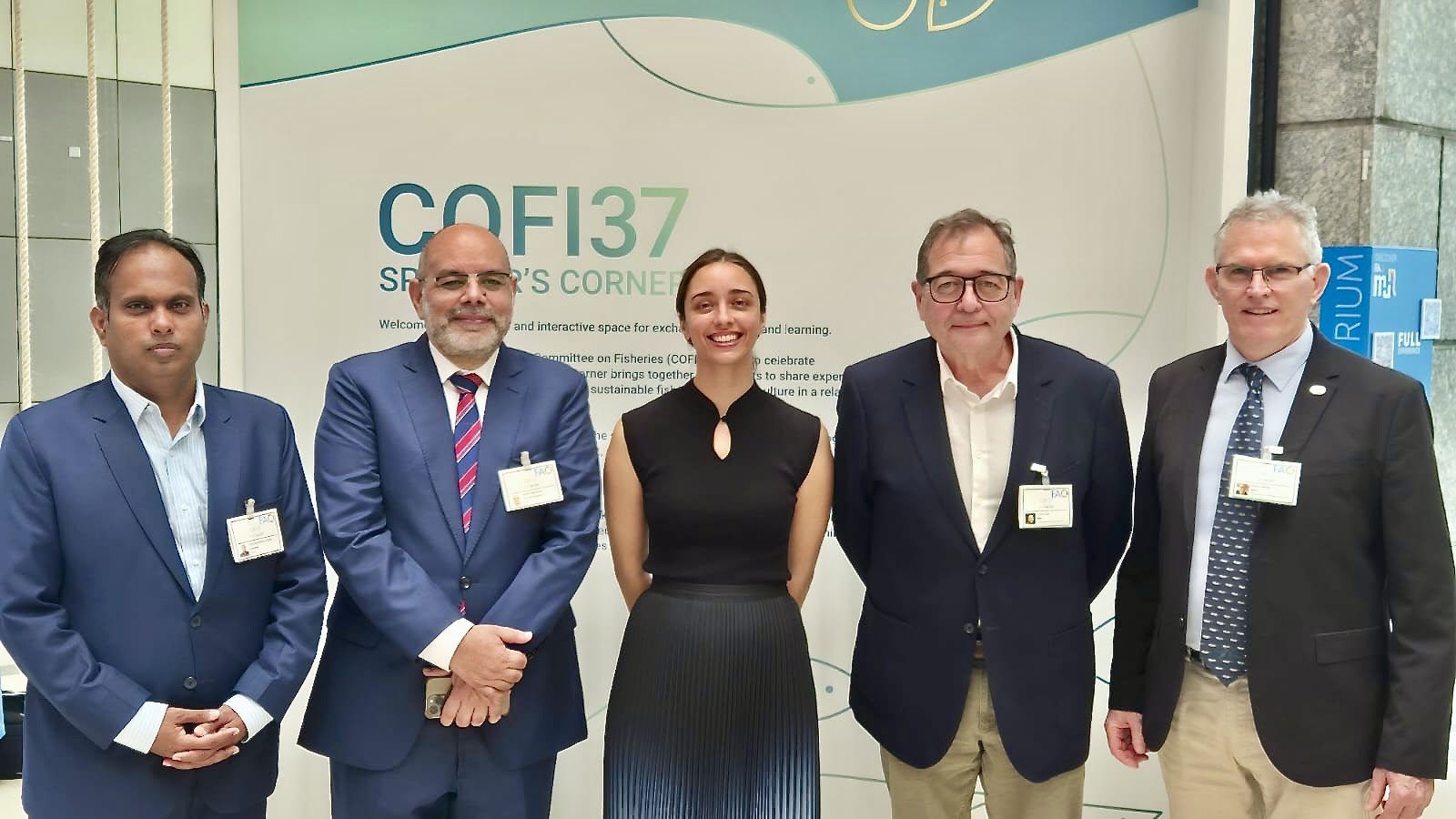
Rome: COFI37
I began in Rome at COFI37, the biennial meeting of the FAO Committee on Fisheries, joining IPNLF’s international fisheries law and policy consultant, Maïa Perraudeau. COFI is the main global forum where governments come together to discuss policy direction on fisheries and aquaculture.
We ran a side event, with Maïa assembling an excellent panel: Umar Zafar Sheikh and Farhan Khan of Pakistan’s Ministry of Maritime Affairs, and Gert le Roux, executive director of the Global Sustainable Seafood Initiative (GSSI). The session looked at how ecolabelling and market certification can better reflect the needs of small-scale fisheries. We have been pushing on this issue for the past three years.
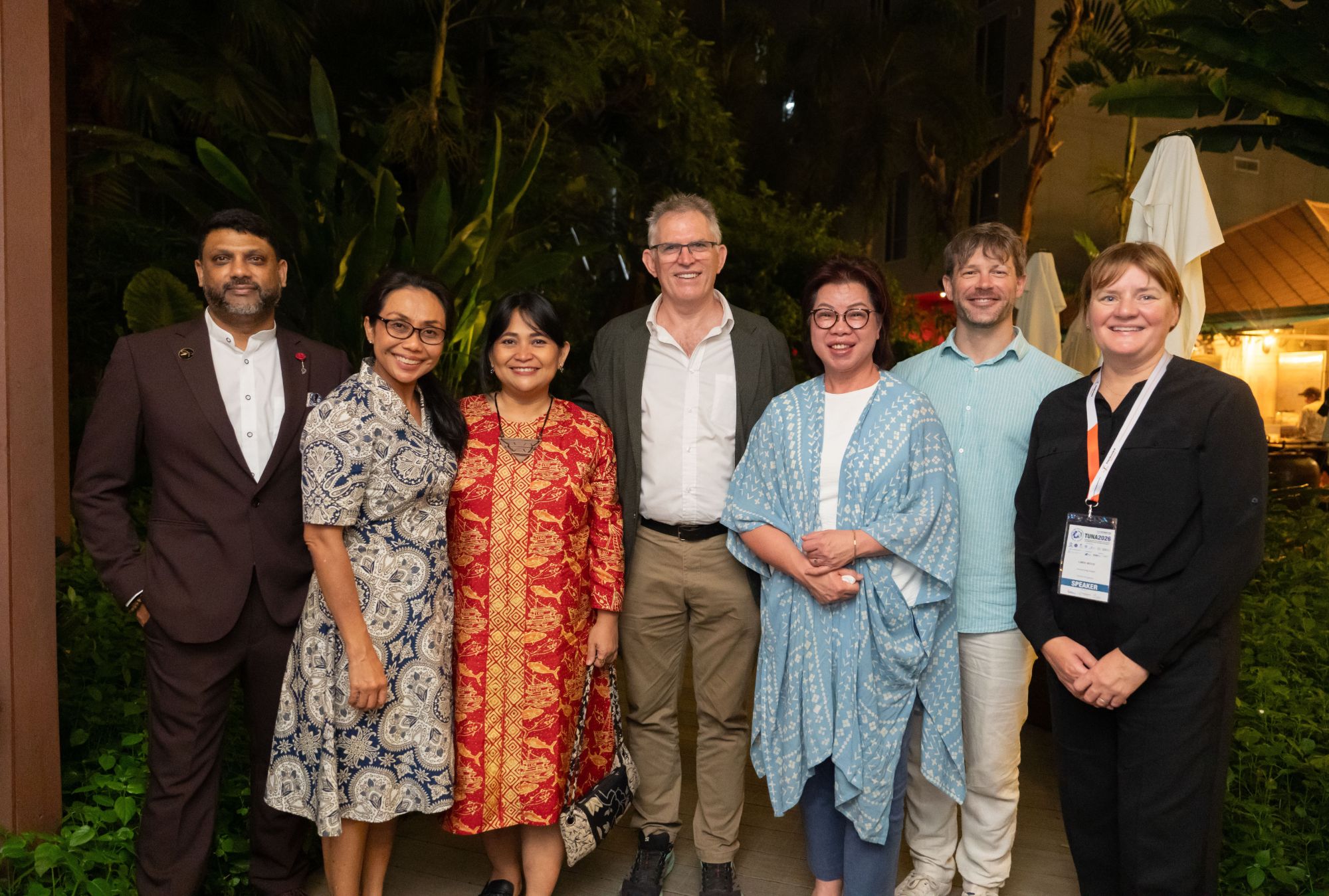
Bangkok: TUNA 2026
Next was Bangkok for TUNA 2026, one of the world’s leading tuna conferences, where I spoke on two panels. One brought together ministers and high-level representatives from across the Pacific, including Papua New Guinea and Fiji, at a session called Special Leaders’ Dialogue: “Leadership, Sustainability and the Future of Global Tuna Trade”. In the other, I showcased our work modernising one-by-one fisheries and the investment opportunities and potential of doing so. We also hosted a screening of The Tuna Truth, the IPNLF-commissioned, award-nominated film, partnering with fine-dining restaurant and cooking school Blue Elephant. It was a very successful evening and the feedback was excellent.
Indonesia: West Nusa Tenggara
Finally, I joined colleagues from our Indonesia team in West Nusa Tenggara, where we work with small-scale fishers. I ran a training session for skippers as part of our FAO Common Oceans Tuna Project. The fishers were highly engaged and gave us a lot of valuable information and feedback. After the skipper training, we carried out a series of safety training sessions and a health festival as part of our work with the International Fund for Fisher Safety (IFFS). Fishers were also trained in safety at sea, including practical firefighting and entering the water in survival suits.
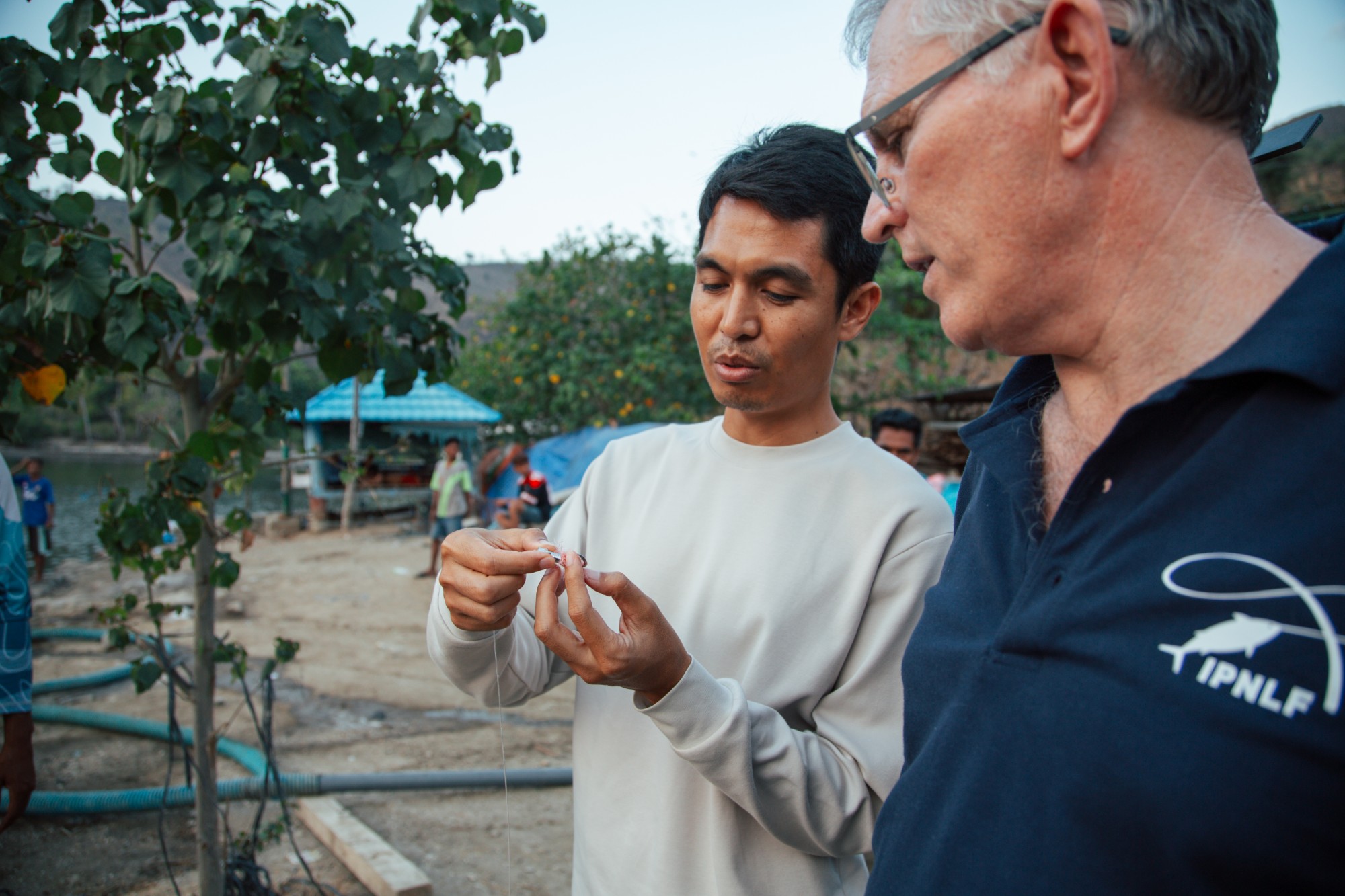
Probably the most exciting part of the trip was having the opportunity to go fishing on a local pole-and-line boat to learn about catch levels, fishing grounds and the economics of the fishery. The crew were open about fuel and ice costs and typical catch rates, which gives us a much clearer picture of what drives the fishery. We also saw the operational efficiency challenges first-hand and visited the bait stations to see how bait is loaded. All of this will feed into our work to modernise these operations and revitalise pole-and-line fishing in Indonesia.
It was a fascinating, if exhausting, trip. It took me from high-level forums in Rome and Bangkok, to sharing fishers’ stories through The Tuna Truth, to being out on the water with fishers and understanding their realities. Having these experiences is vital to make sure we’re effective in what we do and connected to the communities we serve.